
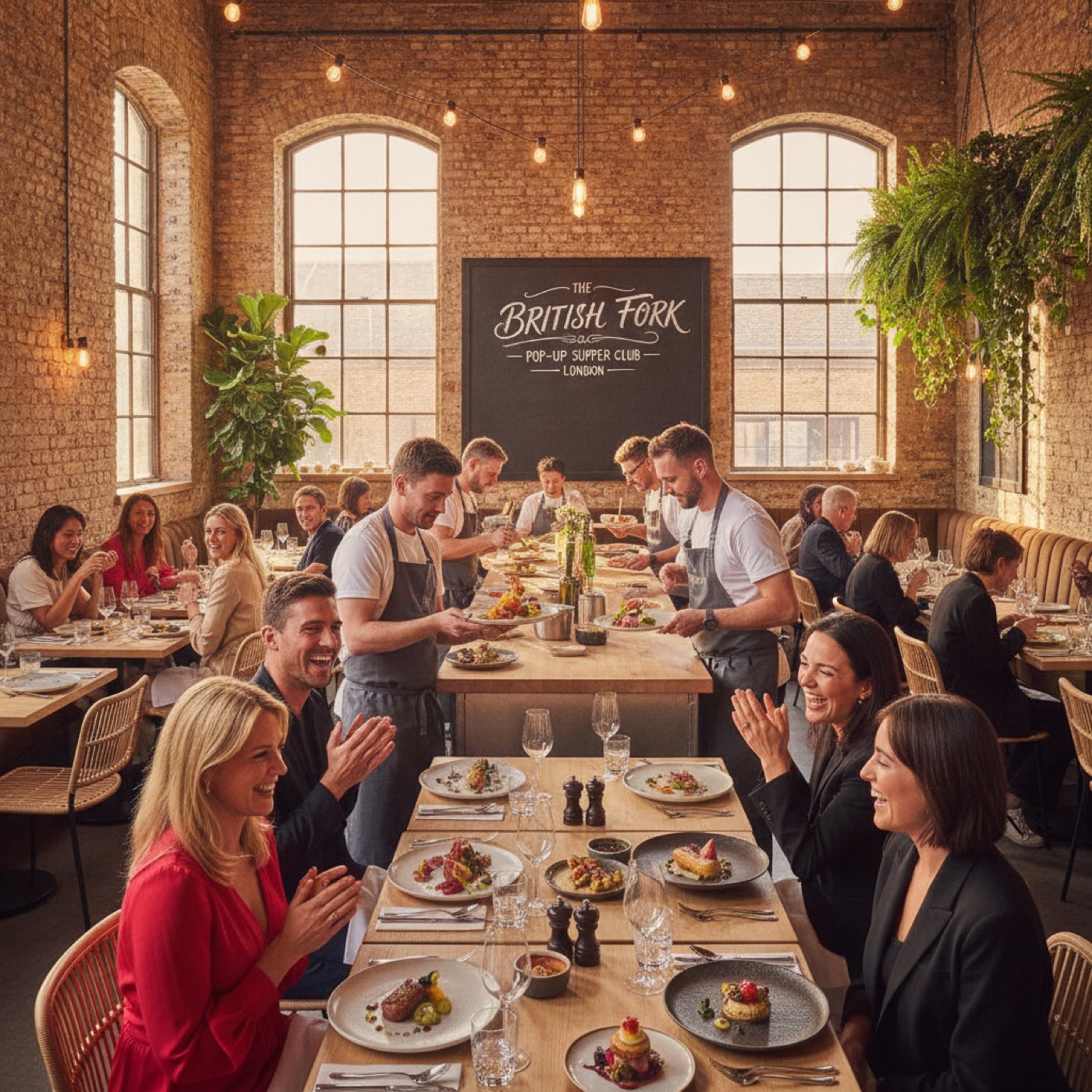
Cash advances for UK pop-up restaurants.
For pop-up restaurant operators, residency chefs, and supper-club hosts. Funded against your booking card takings and venue settlements. Built for operators between the Instagram waiting list and the bricks-and-mortar lease.
A note on the lender panel for pop-ups
Pop-up and residency operators are a newer concept and lender appetite is variable. Established operators with multiple successful residencies and a consistent online booking record (DesignMyNight, OpenTable, Resy, Eventbrite) fit best. Brand-new pop-ups with no track record are usually a poor MCA fit. We'll be honest about that.
What MCA means for a pop-up restaurant.
Pop-up and residency operators typically earn through ticketed bookings (Eventbrite, DesignMyNight, Resy) plus on-night card spend at the venue (often a host pub or restaurant whose terminal you use, with revenue split). Some operators have their own mobile terminal. Card revenue is 95%+. Common uses: kitchen kit (combi oven, induction, prep), branding and content production, supper-club marketing campaigns, residency deposit/fit-out at host venues, transition capital for first bricks-and-mortar lease, second residency expansion.
Sound familiar?
Transition from pop-up to bricks-and-mortar lease.
First lease deposit + initial fit-out + working capital £40k to £200k. Pop-up brand has the demand but no commercial credit history for traditional bank lending.
MCA bridges the lease and fit-out window. Pop-up card revenue history underwrites the advance. Repayment ramps as the bricks-and-mortar site opens and revenue grows.
Kitchen kit for a higher-tempo residency.
Pop-ups outgrow rented kit fast. Buying combi oven, blast chiller, induction tops, prep tables £15k to £50k. Owned kit moves between residencies and supports faster service.
MCA funds the kit build-out. Asset finance also worth comparing. MCA wins where you're combining kit + marketing + working capital in one facility.
Marketing campaign for a 6-week residency launch.
Photography, content production, paid social, PR, £8k to £40k for a launch burst that needs to fill the residency from day one.
MCA funds marketing in one go. Booking revenue (mostly upfront tickets) feeds card takings, which the daily repayment % draws from. Tight match between marketing spend and resulting card flow.
Here's what it actually costs.
An established residency chef borrows £15,000 for marketing burst and combi oven for new 8-week residency. Monthly card revenue (averaged across active residencies): £22,000. £15,000. Average monthly card takings £22,000. Fixed cost 1.24. 13% daily repayment % on card sales, total cost £3,600.
These figures are illustrative. If a term loan or asset finance fits your situation better, we'll tell you.
Open the fixed cost calculator →Work out the real cost.
New businesses typically start at a higher daily % and a shorter term.
Illustrative only, not a quote.
- Advance£15,000
- vs card takings68%
- Fixed cost1.24
- Daily repayment£94
- Avg monthly£2,860
- Est. term6.5 months
Illustrative. The fixed cost is set on day one; daily repayment varies with takings. Term capped at 18 months.
Illustrative only, not a quote. Every figure here is subject to the funder. Funders advance anywhere from 100% up to 150% of monthly card takings, so 150% is not guaranteed, and the fixed cost is not guaranteed either. Your actual advance, fixed cost and terms depend on the funder and your business profile.
Works with Dojo · Square · Zettle · SumUp · Stripe Terminal · PDQ · Yeti Pay · Teya · Barclaycard
*** THANK YOU ***
Apply with these numbersPop-up restaurants, quick answers.
Honest answer: usually not. Most lenders need 6-12 months of consistent card revenue history to underwrite. For pre-trading or first-residency operators, we'd point you to start-up grants, founder funding, or a small unsecured business loan as more appropriate sources.
Ready when you are
Ready to apply?
60 seconds to apply. 1 working day to a decision. No obligation, no credit footprint for the initial check.
Up to 90% approval for qualifying businesses